

EN 1092-1 Type 11 Weld Neck Flanges
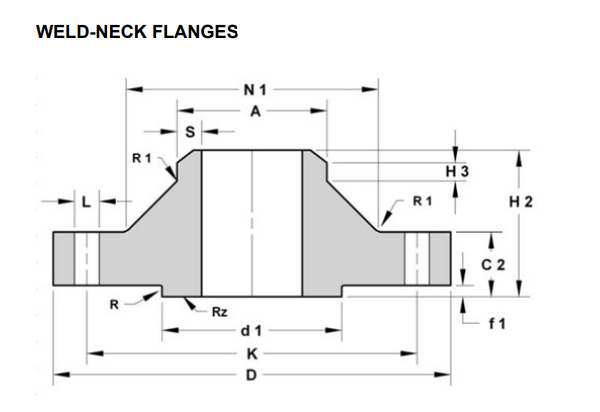
Weld Neck Flange
Aweld neck flange is a type of pipe flange that features a long tapered neck, which allows it to be welded to the end of a pipe. This design ensures a smooth transition between the pipe and the pipe flange, minimizing turbulence in the fluid flow and providing a strong, durable connection.
Key Features
Design:
- The neck is designed to fit inside the pipe, allowing for a full penetration weld.
- The pipe flange typically has a raised face or flat face, depending on the application requirements.
- Commonly used in high-pressure applications due to its strength.
Materials of weld neck flange:
- Weld neck flanges can be made from various materials, including:
- Carbon Steel pipe flange: Generally used for oil and gas applications.
- Stainless Steel pipe flange: Offers excellent corrosion resistance, suitable for chemical and food processing industries.
- Alloy Steel pipe flange: Used in high-temperature and high-strength applications.
- Weld neck flanges can be made from various materials, including:
Standards of weld neck flange:
- Weld neck flanges are manufactured according to several industry standards, including:
- ASME B16.5: Covers flanges and fittings for piping systems up to 24 inches in diameter.
- BS 10: British Standard for flanges used in steel pipework.
- EN1092-1 TYPE 13
- Weld neck flanges are manufactured according to several industry standards, including:
Size and Pressure Ratings of weld neck flange:
- The weld neck pipe flange is available in multiple sizes and pressure ratings, commonly ranging from Class 150 to Class 2500.
- The sizes typically range of the weld neck pipe flange are from 1 inch (25 mm) to 48 inches (1200 mm) or larger.
Advantages of weld neck pipe flange:
Strength and Durability:
- The full penetration weld provides a strong joint, making it suitable for high-pressure and high-temperature applications.
Smooth Flow:
- The tapered neck promotes smooth fluid flow and reduces turbulence, which is beneficial for piping systems.
Versatility:
- Can be used in a wide range of applications across various industries, including industrial, chemical, and food processing.
Ease of Inspection:
- The design facilitates easy inspection of the weld after installation.
Applications of weld neck pipe flange
Oil and Gas Industry:
- Commonly used in pipelines, refineries, and processing plants where strength and reliability are critical.
Chemical Processing:
- Employed in reactors and equipment handling corrosive substances.
Power Generation:
- Suitable for steam lines and other high-pressure systems in power plants.
HVAC Systems:
- Used in heating and cooling systems requiring robust connections.
Installation Considerations of weld neck pipe flange
- Proper alignment is crucial when installing weld neck flanges to ensure a quality weld and avoid stress concentrations.
- Ensure the correct filler material is used for welding based on the flange and pipe material.
- Post-weld inspections should be conducted to confirm the integrity of the weld.
Conclusion of weld neck pipe flange
Aweld neck flange is a critical component in piping systems that require durable and reliable connections. Its design provides strength and minimizes flow disturbances, making it ideal for high-pressure applications across multiple industries. Proper selection and installation of weld neck flanges are essential for maintaining system efficiency and safety.


Comprehensive score